Budtender Pours Pre-Rolls Out of a Plastic Bag and Onto a Glass Counter With Sales Equipment A budtender works inside of a retail cannabis shop in Oregon. marijuana dispensary stock pictures, royalty-free photos & images

Check for State-Issued Licensing

Each state or region where cannabis is legal requires dispensaries to obtain specific licenses to operate. Look for:
Visible Licenses: A legitimate dispensary will often display its license prominently within the store or on its website.
License Numbers: Verify the license number with your state’s official cannabis regulatory agency’s online database. Most states, such as California, Colorado, or Massachusetts, have easy-to-use verification tools online.

Review Local Regulatory Compliance

Dispensaries are subject to rigorous regulations regarding operations, safety measures, and sales practices. To confirm compliance:
– Visit the website of your local government’s cannabis control board or regulatory body. These institutions maintain updated lists of licensed entities.
– Cross-check the name and address of the dispensary with official directories or databases provided by regulatory authorities in your area.

State Regulatory Body Website Verification Tool Available
California Bureau of Cannabis Control Yes
Colorado Marijuana Enforcement Division (MED) Yes
Washington Washington State Liquor and Cannabis Board (WSLCB) Yes

Evaluate Branding and Transparency

Legitimate operations are transparent about their licensing status and operational legitimacy:
Website Information: Look for clear indications of licensing on their website—this often includes license numbers, certifications, and other credentials. – Customer Support: If you’re unsure about their licensing status, contact their customer support team for clarification.

Be Wary of Red Flags

Unlicensed dispensaries often exhibit signs that set them apart from legitimate businesses: 1. Suspicious Pricing: Significantly lower-than-market prices may indicate unregulated products. 2. Improper Packaging: Regulated cannabis products must adhere to strict packaging guidelines such as child-resistant containers and labeling requirements. 3. Cash Transactions Only: While many legal dispensaries operate on a cash-only basis due to federal banking restrictions, ensure they are not avoiding taxes or oversight.

Why Verification Matters

Ensuring that you’re purchasing from a licensed establishment has several benefits: – Safety: Licensed dispensaries follow testing protocols for pesticides, contaminants, and potency. – Community Impact: Supporting legal businesses helps fund community programs through tax revenue while discouraging illegal markets. – Legal Protection: Purchasing from an unlicensed seller can expose you to legal repercussions even in states where cannabis use has been legalized.

With these steps in mind, always take time to confirm whether any dispensary you visit operates within state regulations before making a purchase.

Ensuring the Safety and Quality of Products at a Weed Dispensary Dumbo

Purchasing cannabis products from a licensed dispensary ensures that you are getting safe, high-quality products that comply with strict regulations. Licensed dispensaries operate under government oversight, which includes rigorous testing standards and compliance protocols designed to protect consumer health. Below are key considerations for ensuring safety and quality when purchasing cannabis products from licensed dispensaries.

Government-Mandated Testing for Cannabis Products

Licensed dispensaries are required to comply with testing regulations that ensure cannabis products meet safety and quality standards. These tests evaluate:
Potency: Accurate levels of THC, CBD, or other cannabinoids are clearly labeled.
Contaminants: Products undergo testing to identify harmful contaminants such as pesticides, mold, heavy metals, or residual solvents.
Microbial Presence: Testing ensures that the product is free from bacteria or harmful pathogens.

This robust testing process provides peace of mind for consumers by minimizing health risks associated with unregulated or untested cannabis products.

Clear Product Labeling Standards

Another benefit of purchasing from a licensed dispensary is transparency through labeling. Packaging on legal cannabis products typically includes:
– The exact cannabinoid profile (e.g., THC %, CBD %).
– Recommended dosage instructions for safe consumption.
– Batch numbers and tracking codes to verify the origin of the product.
– Manufacturing dates and expiration dates to ensure freshness.

These labels empower consumers to make informed decisions based on their personal preferences and needs.

Trained Staff Providing Product Education

Licensed dispensaries employ trained staff who can guide customers through product selection while providing accurate information on potential effects and usage recommendations. A few advantages include:
– Understanding how different strains or product types (e.g., edibles, flower, concentrates) may affect individuals differently.
– Offering advice on proper dosages for first-time users versus experienced consumers.
– Educating customers on responsible consumption practices.

Trained staff play an essential role in improving customer experience while promoting safe and responsible use.

Benefits of Regulated Supply Chains

Licensed dispensaries source their inventory only from certified growers and manufacturers who adhere to strict cultivation practices. This regulated supply chain ensures:
| Aspect | Benefits | |—————————-|————————————————————————-| | Controlled Cultivation | Plants are grown under optimal conditions without harmful chemicals | | Consistent Product Quality | Consumers receive uniform potency and effects in every batch | | Traceability | Products can be traced back to their source in case of a recall |

Regulated supply chains further solidify consumer trust by ensuring high-quality products consistently reach store shelves.

Avoiding Risks Associated with Unlicensed Sellers

Unlicensed sellers often lack proper oversight, leading to potential risks such as contaminated products or inaccurate labeling that misrepresents potency levels. By choosing licensed dispensaries over unregulated markets, customers prioritize both safety and well-being.

Licensed cannabis dispensaries provide a controlled environment where safety measures are paramount—from seed-to-sale tracking systems to lab-tested goods—ensuring a superior customer experience while reducing health risks associated with illegal alternatives.

Navigating the Risks: Choosing a Licensed Marijuana Dispensary Dumbo

The cannabis industry has undergone significant regulation in recent years, yet unlicensed dispensaries still operate in many areas. Purchasing cannabis from these sources can pose serious risks to both individuals and communities. Below, we explore the potential dangers associated with unregulated dispensaries and why consumers should exercise caution when sourcing cannabis products.

Health and Safety Concerns

  • Unknown Product Composition: Without proper testing, there is no way to verify THC or CBD concentrations in products, potentially leading to unintended effects.
  • Contaminants: Unregulated products may contain harmful substances such as pesticides, mold, heavy metals, or residual solvents.
  • Improper Labeling: Labels on products may be misleading or incomplete, making it difficult for consumers to make informed decisions about dosage and use.

Licensed dispensaries are required to test all their products through accredited labs, ensuring they meet quality and safety standards. This level of assurance is absent in unlicensed operations.

Legal Implications

  • Law enforcement agencies actively monitor illicit cannabis markets and may take action against both sellers and buyers.
  • Supporting illegal operations undermines the legitimacy of the regulated industry and contributes to criminal activity.

Choosing a licensed dispensary helps you stay compliant with local laws while supporting a legal framework that benefits communities.

Economic Impact

Licensed Dispensary Benefits Unlicensed Dispensary Risks
Taxes fund community programs Tax revenue is lost
Supports local job creation Undermines legitimate businesses
Contributes to economic growth Perpetuates illicit market activity

Purchasing from licensed retailers ensures your money goes toward strengthening local economies rather than fueling underground operations.

Budtender Weighs and Bags Cannabis Nuggets for a Customer A budtender shows marijuana nuggets to a customer in a retail cannabis shop in Oregon. marijuana dispensary stock pictures, royalty-free photos & images

Quality Assurance Practices Missing in Unlicensed Dispensaries

  1. Seed-to-Sale Tracking: Ensures every product is monitored throughout its lifecycle for transparency.
  2. Regulated Supply Chains: Products are sourced only from verified growers abiding by industry regulations.
  3. Consumer Education: Staff at licensed locations are trained to provide accurate information about safe usage.

Unregulated sellers lack these practices entirely, which increases the risk of unsafe or unreliable products reaching consumers.

Supporting Public Safety

Illegal dispensaries operate outside regulatory oversight and can contribute to higher crime rates in surrounding areas due to their association with black-market activities. In contrast, licensed businesses must adhere to safety measures like secure facility layouts and compliance checks that prioritize public well-being.

By purchasing exclusively from legal cannabis retailers, individuals not only safeguard their personal health but also help support safer communities overall.

How Recreational Dispensary Dumbo, Brooklyn Shops Stay Compliant with Industry Regulations

Legal cannabis dispensaries operate in a highly regulated industry where compliance is not just a requirement but a responsibility. These businesses are held to strict standards to ensure public safety, product quality, and adherence to laws. Below is an exploration of how licensed dispensaries maintain compliance with industry regulations.

Licensing and Registration

  • Business Licenses: Ensuring the entity is registered as a legal business.
  • Cannabis-Specific Permits: Obtaining licenses specific to selling medical or recreational cannabis.
  • Renewals: Regularly renewing licenses as per regulatory requirements and staying compliant with any changes in legislation.

Adherence to Product Standards

  • Ensuring products are free from contaminants like pesticides, mold, or heavy metals.
  • Confirming THC and CBD potency levels match what’s listed on the label.
  • Following proper storage practices for freshness and safety.
  • Checking inventory regularly for expired products.
Product Aspect Regulatory Requirement Example
THC/CBD Levels Must match lab-tested results A package labeled “10mg THC” must contain exactly that.
Contaminant-Free No harmful substances allowed Pesticides over legal limits would lead to rejection.

Transparent Record-Keeping

  1. Using seed-to-sale tracking systems that monitor cannabis throughout its lifecycle.
  2. Preventing diversion of products into illegal markets.
  3. Maintaining detailed sales receipts.
  4. Verifying customer identification for age restrictions.
  5. Calculating applicable excise taxes accurately during transactions.
  6. Filing tax returns in accordance with state guidelines.

Employee Training Programs

  • Local market regulations (e.g., age verification procedures).
  • Safety measures (e.g., handling potentially intoxicated customers responsibly).
  • Education about specific strains, product types, and their effects.

Security Measures

  • Surveillance cameras covering all critical areas inside and outside the facility.
  • Secure storage solutions like vaults for high-value inventory.
  • Alarm systems monitored by licensed security professionals.

Collaboration with Regulators

Licensed dispensaries actively collaborate with regulatory bodies through audits, inspections, and updates on compliance standards. Open communication ensures that these businesses can adapt quickly if laws change or new best practices emerge.

Maintaining strict adherence to industry regulations not only builds trust among customers but also reinforces the legitimacy of legal cannabis operations in the broader marketplace. By focusing on transparency, safety, training, and collaboration, licensed dispensaries contribute significantly toward creating a safe and ethical cannabis industry environment.

Licensing and Certifications

A legitimate dispensary operates under proper licensing from state or local governments. To verify this:
– Check for a license number displayed on their website or premises.
– Confirm the license through your state’s online regulatory database.
– Ensure compliance with local laws regarding retail cannabis operations.

Quality of Products

High-quality products are a hallmark of a reliable dispensary. Signs of quality include:
– Clear labeling with THC/CBD concentrations, ingredients, and production details.
– Laboratory testing results provided by third-party organizations to ensure products are free from contaminants like pesticides or heavy metals.

Product Label Checklist Details to Look For
THC/CBD Ratios Ensure accurate concentration information
Testing Certification Independent lab verification is essential
Expiry Dates Products should be fresh and within dates

Knowledgeable Staff

The professionalism of the staff can indicate whether the dispensary prioritizes customer care:
– Budtenders should be able to answer questions about strains, dosages, and product effects.
– Staff should inquire about your needs rather than making generic recommendations.

Product Variety

A good dispensary offers a comprehensive selection that caters to different customer preferences:
– A variety of flower strains (sativa, indica, hybrid).
– Edibles with clear dosage guidance per serving.
– Vape cartridges, tinctures, topicals, and more options depending on individual consumption habits.

Cleanliness and Ambiance

The physical environment of the dispensary reflects its standards:
– The space should be clean, organized, and professional in appearance.
– Products must be stored properly to maintain potency (e.g., away from direct sunlight).

Transparent Pricing Policies

Understand how pricing works at the dispensary: – Look for clear pricing structures without hidden fees. – Reputable establishments often run promotions but avoid misleading discounts.

Positive Customer Reviews

Research online reviews or ask for recommendations: – Platforms such as Google Reviews or Weedmaps can provide insights into others’ experiences. – Consistently high ratings related to quality, service, and compliance signal reliability.

By prioritizing these aspects during your search for a trusted cannabis dispensary, you can ensure an experience rooted in safety and satisfaction while supporting legal businesses that uphold industry standards.

The Importance of Regulated Packaging to Prevent Illegal Marijuana Sales

Regulated packaging plays a critical role in the cannabis industry, serving as a safeguard to ensure that products are safe, properly labeled, and kept out of the hands of unintended consumers. By adhering to strict packaging standards, licensed dispensaries can help prevent illegal marijuana sales while promoting transparency and public health.

video thumbnail

Key Elements of Regulated Cannabis Packaging

  • Child-Resistant Features: Packaging must be difficult for children to open to minimize accidental consumption.
  • Tamper-Evident Seals: Clear indicators must show whether a product has been opened or altered.
  • Strain name and type (e.g., indica, sativa, hybrid).
  • THC/CBD potency levels.
  • Clear dosing instructions for edibles or concentrates.
  • Manufacturing and expiration dates.
  • Warning labels (e.g., “Keep out of reach of children” or “For adult use only”).
  • Opaque Material: In some jurisdictions, cannabis packaging must be non-transparent to prevent visibility of the contents.

Why Regulated Packaging Matters

  1. Prevention of Black-Market Activity
    Unregulated or poorly packaged products are more likely to find their way into illegal markets. Comprehensive labeling and tracking measures help authorities trace the origins of a product, ensuring it comes from licensed operations.
  2. Consumer Confidence
    Properly labeled and sealed products instill trust among consumers by providing detailed information about potency levels and ingredients. This transparency helps customers make informed decisions about what they purchase.
  3. Protecting Minors
    Child-resistant features on packaging reduce the likelihood that young individuals will accidentally consume cannabis products. These design requirements align with public health goals aimed at protecting vulnerable populations.
  4. Compliance with State Regulations
    Adhering to local government regulations not only helps dispensaries avoid fines but also maintains their operating licenses. Failure to comply with packaging standards could lead to penalties or legal action.

Comparison Table: Legal vs Illegal Cannabis Packaging

Feature Legal Cannabis Packaging Illegal Cannabis Packaging
Child-Resistant Design Required Often Absent
Tamper-Evident Seal Mandatory Rarely Included
Accurate Labeling Includes dosage, THC/CBD levels Inconsistent or Missing
Tracking Information Includes batch numbers & QR codes Not Traceable
Compliance Markings State-mandated logos & warnings Generally Nonexistent

Steps Dispensaries Take To Maintain Compliance

Licensed dispensaries go through rigorous processes to meet regulatory standards in their state or region: – Partnering with approved manufacturers for compliant packaging materials. – Establishing quality control systems that verify each product meets labeling requirements before sale. – Keeping up-to-date on any changes in state laws regarding new rules for child-proofing or additional warning statements.

By prioritizing regulated packaging standards, cannabis businesses can contribute to a safer market while helping reduce illegal marijuana sales that undermine public safety efforts.

Supporting Licensed Cannabis Dispensaries in Dispensary Dumbo Over Unlicensed Sellers

The growing acceptance of cannabis legalization has brought significant changes to the industry, emphasizing the importance of distinguishing between licensed cannabis dispensaries and unlicensed sellers. Supporting legal dispensaries not only ensures quality products but also contributes to community safety, economic growth, and public health.

Key Reasons to Support Licensed Cannabis Dispensaries

  • Licensed dispensaries are required to test their products for contaminants such as pesticides, mold, or heavy metals.
  • Lab-tested cannabis ensures proper potency labeling, providing consumers with confidence in what they are purchasing.
  • Products sold at unlicensed establishments may lack testing protocols, increasing the risk of harmful substances being consumed.
  • Taxes generated from legal cannabis sales are often reinvested into public infrastructure, education programs, healthcare services, and law enforcement resources.
  • Purchasing from unlicensed sellers bypasses this tax structure and denies communities critical funding.
  • Supporting licensed dispensaries helps minimize the demand for illegal cannabis markets that can be linked to organized crime or unsafe practices.
  • Legal stores follow packaging guidelines designed to prevent access by underage individuals or diversion into illicit channels.

Risks of Unregulated Cannabis Sellers

  • Health Hazards: Products sold without regulatory oversight may contain harmful contaminants or incorrect THC/CBD levels.
  • Economic Impact: Illicit markets undermine legitimate businesses striving to comply with laws and invest in local economies.
  • Increased Crime: Illegal operations often attract criminal activity that puts neighborhoods at risk.
Factor Licensed Dispensary Unlicensed Seller
Product Testing Required by state regulations Rarely performed
Tax Contribution Generates tax revenue No tax contribution
Community Safety Promotes safety through compliance Potentially linked to criminal activity
Packaging Standards Child-resistant and properly labeled Non-compliant or misleading packaging

How You Can Make a Difference

  • You support businesses operating within the law.
  • You contribute to your community’s economic development through taxes.
  • You help create a safer environment where regulated products reduce risks associated with illegal alternatives.

Consumers play an important role in shaping the future of the cannabis industry. Choosing licensed dispensaries is a step toward strengthening community safety and ensuring a sustainable market built on trust and accountability.


Senior Woman with Cancer Shopping for Cannabis A senior woman with cancer is seen behind the counter of a legal cannabis retailer as she shops for product. She is gazing down into the glass display cabinet as the store clerk stands on the other side an answers any questions she has. The woman is dressed comfortably in a sweater and head scarf as she chooses her products. marijuana dispensary stock pictures, royalty-free photos & images

Choosing the right dispensary is essential for a quality cannabis experience, whether you’re a seasoned enthusiast or new to the world of cannabis. With so many options available today, finding the ideal dispensary can feel overwhelming. This guide will help you navigate through important factors to consider, so you can make an informed decision that meets your needs.

1. Location and Accessibility

  • Proximity: Choose a dispensary that is close to your home or workplace for convenience.
  • Parking Availability: If driving, check whether there is adequate parking nearby.
  • Accessibility and Hours: Ensure the dispensary’s operating hours align with your schedule and assess whether they are wheelchair-accessible if needed.

2. Product Selection

  • A diverse range of cannabis products such as flowers, pre-rolls, concentrates, edibles, tinctures, topicals, and more.
  • Various strains categorized by indica, sativa, and hybrids with clear labeling on THC/CBD content.
  • Accessories like vaporizers, pipes, grinders, rolling papers, etc., for those who need them.

It’s also helpful if the products are arranged intuitively or organized with detailed descriptions for easy selection.

3. Quality Standards

  • Look for evidence of testing by third-party labs that verify potency and safety (e.g., free from pesticides or contaminants).
  • Check reviews online for customer feedback about product quality consistency.
  • Ask questions about sourcing practices—do they partner with reputable growers? Are there organic options?
Quality Assurance Checklist What to Check For
Lab Testing Certification Evidence of independent testing
Product Freshness Inspection dates on packaging
Transparency in Sourcing Information on cultivation practices

4. Knowledgeable Staff

A good dispensary should employ friendly and knowledgeable staff who can guide your experience effectively.
Look out for these qualities in staff members:

  • Familiarity with cannabis strains and their effects (e.g., offering recommendations tailored to your needs).
  • Willingness to answer questions about dosages or consumption methods without judgment.
  • Ability to explain state regulations regarding purchases.

5. Pricing and Deals

  • Compare prices online before visiting local shops.
  • Look out for deals such as discounts on first-time visits or loyalty programs offering rewards over time.

Some dispensaries also provide discounts specific to veterans or medical patients.

6. Legal Compliance

  • Ensure they follow purchase limits set by local law (e.g., maximum ounces allowed per transaction).
  • Confirm age verification policies (21+ for recreational use; lower age limits apply if medically authorized).

Legal compliance guarantees not only safety but peace of mind while purchasing.

Final Thoughts

Selecting the perfect dispensary involves balancing convenience with product variety while prioritizing safety standards—all tailored toward creating an enjoyable experience suited specifically around your preferences/preferences/concerns

How the Cannabis Industry and Weed Dispensary Dumbo are Embracing Blockchain for Product Traceability and Transparency

The cannabis industry has seen remarkable growth in recent years, and with this expansion comes the increasing need for trust, transparency, and accountability. Blockchain technology has emerged as a valuable tool to address these needs, revolutionizing the way the industry manages product traceability while enhancing transparency at every stage of the supply chain.

What is Blockchain Technology?

At its core, blockchain is a decentralized digital ledger that securely records transactions across multiple systems in real-time. By design, blockchain ensures that data is immutable and transparent, making it ideal for industries requiring high levels of accountability. For cannabis businesses, this means being able to track a product’s journey from cultivation to consumer purchase with unparalleled accuracy.

Benefits of Blockchain in the Cannabis Industry

  1. Blockchain allows dispensaries and consumers to trace cannabis products back to their source.
  2. Information like where the plant was grown, how it was processed, and testing results are recorded on an immutable ledger.
  3. This level of traceability helps ensure product quality and consumer safety.
  4. Transparency fosters trust among consumers who want to know exactly what they’re purchasing.
  5. Blockchain can display detailed lab reports and compliance certificates directly linked to each item sold at dispensaries.
  6. The cannabis market is not immune to counterfeit goods or mislabeled products—a significant issue for both recreational users and medical patients.
  7. By using blockchain technology to record unique identifiers or QR codes on packaging, counterfeit prevention becomes more effective.
  8. Legal requirements surrounding cannabis vary by state or country, making compliance complex.
  9. Blockchain simplifies reporting by automatically tracking all data required for audits or regulatory filings.
  10. Growers, processors, distributors, and retailers can collaborate seamlessly using shared blockchain networks.
  11. It reduces communication gaps while ensuring clear visibility into every transaction within the supply chain.

Use Cases: Practical Applications of Blockchain in Cannabis

Use Case Description
Supply Chain Management Tracks cannabis from seed-to-sale by recording each stage in the production process
Quality Assurance Verifies lab testing results are accurate and tamper-proof
Consumer Education Provides customers with access to strain information, cannabinoid profiles, terpenes, etc., via QR codes
Regulatory Reporting Automates compliance documentation required by government authorities

Challenges Hindering Adoption

Despite its benefits, there are hurdles:
High Implementation Costs: Deploying blockchain systems requires substantial investment in infrastructure. Smaller businesses may struggle financially with adoption costs. – Regulatory Uncertainty: The lack of consistent global regulations surrounding both cannabis and blockchain complicates widespread implementation. – Technical Expertise: Many cannabis businesses lack specialized knowledge needed for integrating advanced technologies like blockchain into existing operations.

The Future of Blockchain in Cannabis

As legalization spreads globally and consumer expectations evolve toward greater transparency, blockchain’s adoption within the cannabis sector will likely accelerate. Innovative collaborations between tech companies and industry leaders will pave the way toward streamlined operations while building stronger trust between businesses and consumers alike.

By leveraging cutting-edge technologies like blockchain effectively now, dispensaries can establish themselves as leaders in quality assurance while setting new standards for accountability across this rapidly expanding market segment.

Exploring Dispensary Dumbo: Finding Your Ideal Fit

Choosing a dispensary is an essential step for cannabis enthusiasts and patients alike, but understanding the various types of dispensaries can make this process more tailored and effective. The cannabis industry has evolved significantly, offering a diverse range of dispensary models that cater to different needs and preferences. Below is an exploration of these dispensary types to help you find the best fit for your requirements.

Medical Dispensaries

Medical dispensaries are designed specifically for patients with qualifying medical conditions and provide access to cannabis as part of treatment plans. These establishments require customers to present a valid medical marijuana card or doctor’s recommendation.

Key Features:Personalized Care: Staff often includes medical professionals or highly trained personnel who can recommend products based on specific health conditions. – Specialized Products: Offer products with targeted cannabinoid ratios (e.g., CBD-dominant strains) tailored for therapeutic use. – Tax Advantages: In some regions, purchases from medical dispensaries may be exempt from certain taxes.

Common Products Available in Medical Dispensaries: | Product Type | Examples | |————————-|——————————————-| | Tinctures | High-CBD tinctures for pain relief | | Capsules | Dose-controlled oral medication | | Edibles | Low THC edibles for gradual effects | | Topicals | CBD/THC balms for localized application |

Recreational Dispensaries

Recreational dispensaries cater to adult consumers seeking cannabis for enjoyment or general wellness purposes. These facilities tend to prioritize variety and accessibility.

Key Features:No Medical Card Required: Accessible by anyone over the legal age (varies by region). – Extensive Selection: Wide range of products, including flower, edibles, concentrates, beverages, and accessories. – Relaxed Environment: Designed with casual users in mind, recreational shops often focus on fostering a welcoming experience.

Things to Note When Visiting a Recreational Dispensary: – Bring a government-issued ID showing you meet the age requirement. – Be prepared to encounter limits on quantities you can purchase per visit.

Hybrid Dispensaries

Hybrid dispensaries serve both medical patients and recreational customers under one roof. These establishments balance comprehensive medical services with extensive product offerings for recreational use.

Benefits of Hybrid Models: 1. Consolidated Shopping Experience – Medical users and recreational consumers can access products at one location. 2. Diverse Inventory – Product selection caters seamlessly to both groups’ needs. 3. Knowledgeable Staff – Employees are trained in both medicinal applications and lifestyle recommendations.

However, some hybrid setups may feature separate entrances or sections within the store to comply with local regulations regarding medical versus recreational sales.

Budtender Transfers Cannabis Nuggets from a Beaker into a Small Transparent Bag A budtender works inside of a retail cannabis shop in Oregon. marijuana dispensary stock pictures, royalty-free photos & images

Delivery-only Services

For individuals who value convenience or privacy, delivery-only services provide an excellent solution. These virtual dispensaries allow consumers to browse online menus before placing orders directly from their home.

Advantages: – Eliminates travel time and barriers such as mobility issues. – Offers discreet purchasing options for those valuing privacy. – Many platforms provide real-time tracking of deliveries.

Keep in mind that delivery services are not universally available due to legal restrictions in certain areas. Always confirm whether delivery options are permitted where you reside.

Boutique or Specialized Dispensaries

Boutique dispensaries focus on providing premium-quality cannabis products alongside curated customer experiences. These stores prioritize quality over quantity by offering handpicked items sourced from niche growers or small-batch producers.

What Sets Boutique Dispensaries Apart? – Exclusive offerings such as rare strains or limited-edition products. – Upscale ambiance resembling high-end retail stores. – Opportunities for guided tastings or educational events focusing on cannabis culture.

While boutique options often come at a higher price point than traditional outlets, they cater well to connoisseurs seeking top-tier selections paired with personalized service.

Social Equity-focused Dispensaries

As part of efforts toward inclusivity within the cannabis sector, many jurisdictions have incentivized the creation of social equity-focused businesses aimed at empowering historically underrepresented groups affected by prohibition policies.

Why Choose Social Equity-focused Businesses? 1. Supporting ethical practices within the industry. 2. Encouraging community reinvestment programs funded through cannabis sales income. 3. Fostering diversity across ownership structures within legalized markets.

By supporting these initiatives as consumers, individuals contribute toward shaping fairer ecosystems around responsible cannabis usage while promoting justice-driven reforms globally across legislative frameworks shaping modern-day markets’ trajectories forward into tomorrow’s opportunities ahead together responsibly sustainably ethically equitably thoughtfully aligned values shared transparency

Exploring the Best Marijuana Dispensary in Dumbo to Find Your Ideal Fit

The cannabis industry has evolved significantly, offering diverse dispensary types tailored to meet various consumer needs. Whether you’re a recreational user, a medical patient, or someone new to the world of cannabis, understanding the different dispensary types can help you make informed decisions and find a location that aligns with your preferences. Below is an overview of the primary dispensary categories and what they offer.

1. Recreational Dispensaries

Recreational dispensaries cater primarily to individuals seeking cannabis for personal enjoyment rather than medical purposes. These establishments typically have fewer restrictions compared to medical dispensaries.

Key Features:

  • Open to adults over the age of 21 (age varies by location).
  • Wide range of products, including flower, edibles, concentrates, and pre-rolls.
  • Focus on experience-based purchases for relaxation, creativity, or social use.

Who Should Visit? If you’re looking for fun products like THC-infused gummies or premium vape cartridges without needing a prescription, recreational dispensaries are an excellent choice.

2. Medical Dispensaries

Medical dispensaries are designed with patient care in mind and require customers to hold a valid medical marijuana card issued by their state or country.

Key Features:

  • Access to cannabis specifically curated for therapeutic use.
  • Staffed with knowledgeable professionals who can offer guidance on strains and dosages.
  • Stricter regulations regarding product quality and labeling.

Common Products Sold:

Product Type Benefits
CBD-dominant strains Pain relief without psychoactive effects
High-THC products Relief for chronic pain or nausea
Edibles & tinctures Long-lasting effects for chronic conditions

Who Should Visit? Patients managing conditions like chronic pain, anxiety disorders, or epilepsy benefit most from medical dispensaries due to their focused inventory and professional support.

3. Hybrid Dispensaries

Hybrid dispensaries serve both recreational users and medical patients under one roof. These establishments often have separate sections or policies for each group but aim to provide accessibility for all customers.

Key Features:

  • Offers both therapeutic-grade and general-use cannabis products.
  • Staff trained in serving both recreational users and medical patients.

Who Should Visit? Ideal for those who want flexibility—individuals who may use cannabis recreationally but also seek specific solutions for health concerns.

4. Online Dispensaries

Online-only platforms allow consumers to order cannabis products from the comfort of their homes. These services are increasingly popular due to their convenience.

Key Features:

  • Easy browsing through product catalogs with filters like strain type (indica/sativa) or cannabinoid content (THC/CBD levels).
  • Delivery options directly to your doorstep where legally permitted.
  • Access to user reviews before purchasing.

Who Should Visit? Perfect for tech-savvy individuals looking for convenience without visiting a physical location.

Choosing the Right Fit

Consideration Best Option
Seeking health-focused advice? Medical Dispensary
Interested in edibles/vapes? Recreational/Hybrid
Prefer home delivery options? Online Dispensary

Selecting the right type ensures you have access to high-quality cannabis suited specifically for your needs while offering an enjoyable purchasing experience. Understanding these differences empowers you as a consumer while supporting responsible cannabis use aligned with your goals.

Exploring Weed Delivery Options: Bringing Convenience Right to Your Doorstep

As the cannabis industry continues to grow and evolve, one of the most notable advancements is the rise of weed delivery services. This innovative option not only enhances convenience for consumers but also ensures accessibility for those who rely on cannabis for medical or recreational use. Understanding how these services work and what factors to consider when utilizing them can help you make informed decisions and enjoy a seamless experience.

Benefits of Weed Delivery Services

  • Convenience: Skip the hassle of visiting a physical dispensary. Delivery services allow users to shop from the comfort of home.
  • Privacy: For individuals who may not want others to know about their cannabis use, delivery provides a discreet alternative.
  • Accessibility: Medical patients or individuals with mobility challenges can receive their products without leaving their homes.
  • Time-Saving: Shopping online and having cannabis delivered saves time compared to commuting and waiting in-store.

Different regions may have varying regulations regarding cannabis delivery, so it’s crucial to be aware of local laws before using these services.

How Weed Delivery Works

  1. Online or App-Based Ordering: Customers browse catalogs offered by licensed dispensaries through websites or mobile apps.
  2. Verification: Age verification (typically 21+ for recreational use) is required during registration or checkout.
  3. Product Selection: Users can choose from flower, edibles, concentrates, tinctures, and more.
  4. Payment Options: Payment methods depend on local laws—some areas allow debit/credit cards, while others require cash payments upon delivery.
  5. Delivery Fulfillment: Products are transported by authorized personnel directly to the customer’s address within a predetermined timeframe.

Choosing a Reliable Cannabis Delivery Service

  1. Ensure the provider is licensed under state or local regulations.
  2. Confirm that they adhere to all legal protocols for transporting cannabis.
  3. Look for an extensive product menu catering to your needs (e.g., specific strains or product types).
  4. Opt for providers that share detailed product information such as THC/CBD content.
  5. Check reviews or referrals from trusted sources.
  6. Avoid providers with negative feedback regarding delays, poor customer service, or low-quality products.
  7. Review any associated fees upfront (e.g., minimum order requirements).
  8. Familiarize yourself with refund policies in case issues arise with your order.
  9. Verify whether packages are discreetly packaged.
  10. Confirm identification protocols upon receiving the order (such as ID checks).
Factors Why It Matters
Licensing Ensures compliance with legal standards
Product Menu Guarantees access to desired options
Reputation Reflects quality & reliability
Fees Helps avoid unexpected expenses
Security Protects privacy & ensures safe transactions

Senior Woman with Cancer Shopping for Cannabis A senior woman with cancer is seen behind the counter of a legal cannabis retailer as she shops for product. She is gazing down into the glass display cabinet as the store clerk stands on the other side an answers any questions she has. The woman is dressed comfortably in a sweater and head scarf as she chooses her products. marijuana dispensary stock pictures, royalty-free photos & images

Tips for First-Time Users

  • Have your identification documents ready at both ordering and delivery stages.
  • Start with small orders until you find a trusted provider that meets your expectations.
  • Read product descriptions carefully—understanding strain types (indica, sativa) and potency levels can improve your experience.
  • Keep track of timing; some regions enforce strict delivery windows based on local ordinances.

Weed delivery options simplify access while maintaining safety standards set by regulatory authorities. By choosing reputable providers and staying informed about policies in your area, you can enjoy this modern convenience responsibly while appreciating its many benefits over traditional purchasing methods.

Factors to Consider When Choosing a Dispensary: A Comprehensive Guide

Selecting the right dispensary is a critical step in ensuring a positive cannabis experience. Whether you’re seeking recreational use or medical relief, the quality and reliability of your chosen dispensary can significantly impact your satisfaction. Below is a detailed guide outlining the key factors to consider when choosing the best dispensary for your needs.

1. Product Quality and Variety

The quality of cannabis products should be one of your top priorities when evaluating dispensaries. Consider these points:
Strain Selection: Does the dispensary offer a wide variety of strains (e.g., indica, sativa, hybrids) tailored to different needs like relaxation, energy, or pain relief?
Edibles and Concentrates: Beyond flowers, does the store stock edibles, tinctures, oils, concentrates, or topicals? A diverse inventory ensures you have multiple consumption options.
Lab Tested Products: Check if the products are tested for potency and contaminants like pesticides or mold. Many reputable dispensaries provide Certificates of Analysis (COAs) for transparency.

Product quality can make a significant difference in achieving desired effects while minimizing risks.

2. Licensing and Compliance

A trustworthy dispensary operates within legal guidelines and adheres to local regulations. Here’s what to look for:
State/Regional Licensing: Verify that it has proper licensing displayed either physically in-store or on its website. Illegal establishments may not guarantee safety or consistency in their offerings. – Compliance with Packaging Laws: Products should be sealed securely with clear labels indicating cannabinoid content and ingredients.

Shopping at a compliant dispensary ensures access to regulated products that meet strict standards.

3. Staff Knowledgeability

Dispensaries staffed with well-trained “budtenders” can elevate your shopping experience by providing personalized guidance. Evaluate this through questions like:
– Are staff members knowledgeable about different strains’ effects?
– Can they recommend products based on specific medical conditions (e.g., chronic pain, anxiety)?
– Do they educate customers about safe dosages and methods of consumption?

Friendly and well-informed staff promote trust while enhancing overall customer satisfaction.

4. Location and Accessibility

Convenience plays an important role in selecting a dispensary that fits seamlessly into your routine: – Proximity: Is it close enough to your home or workplace? Time-saving locations are often preferred. – Parking/Accessibility: Does it provide adequate parking? Ensure it complies with accessibility standards if you have mobility concerns. – Delivery Services: Some dispensaries offer home delivery options for added convenience—great for those who cannot visit physically.

Evaluate whether visiting this location is practical based on your daily lifestyle needs.

5. Pricing Transparency and Rewards Programs

Understanding pricing structures helps budget more effectively while maximizing value: | Feature | Importance | |—————————|—————————————————————————| | Competitive Pricing | Look at rates compared to other nearby shops without sacrificing quality. | | Discounts | Some offer discounts for veterans, seniors, first-time buyers, or bulk purchases. | | Loyalty Programs | Membership perks (e.g., accumulating points) enhance long-term savings.|

Dispensaries committed to affordability often attract loyal customer bases by balancing price with consistent product quality.

6. Atmosphere and Customer Experience

The ambiance within the store also matters as it reflects professionalism: – Is the store clean, organized, and welcoming? – Do budtenders create an inviting environment where questions are encouraged? – How long are wait times during peak hours?

A positive atmosphere fosters confidence during each visit while maintaining privacy when discussing personal health concerns.

Final Thoughts on Choosing Your Ideal Dispensary

By assessing factors such as product variety, compliance measures, knowledgeable staff support, location convenience, fair pricing policies—and overall atmosphere—you’ll be better prepared as an informed consumer navigating today’s growing cannabis market responsibly.

Navigating Medical Dispensaries: Specialized Care for Individual Needs

Medical dispensaries play a vital role in providing cannabis-based solutions tailored to the needs of individuals with specific medical conditions. Unlike recreational dispensaries, these establishments operate under stricter regulations and focus on delivering products that meet medical-grade standards. Here’s a guide to understanding the unique aspects of medical dispensaries and how to navigate them effectively.

What Makes Medical Dispensaries Different?

  • Patient Focus: These dispensaries cater specifically to patients with qualifying medical conditions, ensuring that all products align with therapeutic needs.
  • Strict Regulation: Medical cannabis is regulated at both state and local levels, requiring stringent compliance with standards for safety and efficacy.
  • Specialized Expertise: Staff at medical dispensaries are often trained to provide guidance on dosing, strain selection, and consumption methods based on individual patient needs.
  • Access Requirements: Patients must typically have a valid medical cannabis card or prescription from a licensed healthcare provider to purchase products.
Key Differences Medical Dispensary Recreational Dispensary
Purpose Therapeutic relief General wellness or enjoyment
Access Requires medical card/prescription Open to adults (varies by location)
Product Focus High-CBD strains, balanced THC levels for symptoms Higher-THC strains aimed at enhancing experience

Benefits of Choosing a Medical Dispensary

  1. Personalized Care: Staff at medical dispensaries are knowledgeable about the therapeutic benefits of various cannabis strains and delivery methods (e.g., tinctures, edibles, topicals). They work collaboratively with patients to develop tailored treatment plans.
  2. Higher Quality Standards: Medical products undergo rigorous testing for potency, contaminants (pesticides, heavy metals), and consistency—ensuring safer consumption compared to unregulated sources.
  3. Tax Benefits: In many regions, purchases from medical dispensaries are exempt from higher taxes applied to recreational cannabis sales, making them more affordable for patients managing chronic conditions.
  4. Specialized Products: Patients can access formulations designed specifically for their symptoms such as chronic pain relief, anxiety management, or seizure reduction via high-CBD options or balanced THC-to-CBD ratios.

How to Choose the Right Medical Dispensary

  • Certifications & Licensing: Ensure the facility is licensed under your state’s regulations for dispensing medicinal cannabis.
  • Product Variety: Look for a wide range of product offerings such as capsules, oils, patches, edibles, or tinctures that suit your health preferences.
  • Knowledgeable Staff: A good dispensary employs compassionate staff trained in providing tailored recommendations.
  • Location & Accessibility: Evaluate proximity but also ensure discrete access if privacy is important.
  • Patient Support Services: Some facilities offer consultations with healthcare professionals or follow-up care programs.

Importance of Consultation Before Purchase

A consultation session at a medical dispensary can be invaluable in determining which strain or product will best alleviate your condition without undesirable side effects.

During consultations: – Provide details about your condition(s) (e.g., chronic pain vs nausea relief). – Be open about prior experiences with cannabis use (if any), including tolerances. – Discuss other medications you’re using as some may interact negatively with cannabinoids.

As more regions embrace medicinal cannabis laws globally, having access to the right information ensures that patients can benefit fully from these specialized services while maintaining safe practices tailored uniquely around their health goals.

Navigating Medical Dispensaries: Specialized Care for Individual Needs

Medical dispensaries play a vital role in offering specialized cannabis products and tailored services for individuals with specific health needs. Unlike recreational dispensaries, medical dispensaries are designed to support patients seeking therapeutic benefits from cannabis. Here’s a detailed look into navigating medical dispensaries and what sets them apart.

The Role of Medical Dispensaries in Healthcare

  • Personalized Consultations: Most medical dispensaries employ trained staff or licensed healthcare professionals to guide patients through product selection based on their specific condition.
  • Targeted Products: These facilities often stock higher-quality or specialized strains of cannabis that are curated for medical use, such as high-CBD strains or balanced THC/CBD ratios.
  • Patient Education: Medical dispensaries prioritize patient education on safe consumption methods, proper dosages, and potential side effects.

Steps to Accessing a Medical Dispensary

  1. Most regions require patients to obtain an MMJ card before purchasing from a medical dispensary.
  2. This involves consulting with a certified physician who will evaluate your condition and determine eligibility.
  3. Laws governing medical marijuana vary by state or country. Ensure you understand documentation requirements and restrictions on purchase limits.
  4. Look for licensed facilities with positive reviews that emphasize patient care and quality assurance.
  5. Once inside the dispensary, share your symptoms or doctor’s recommendations with staff so they can recommend suitable products.

Key Services Offered by Medical Dispensaries

Service Description
Product Customization Offering a variety of formats like tinctures, capsules, topicals, and edibles
Dosage Guidance Helping patients determine appropriate dosing for their condition
Ongoing Support Regular check-ins or consultations regarding treatment efficacy

Benefits of Using Medical Dispensaries

  • Safe Access: Products are lab-tested to ensure potency and purity.
  • Legal Protection: Patients have peace of mind knowing they’re operating within legal frameworks.
  • Holistic Approach: Many facilities integrate alternative therapies like yoga or nutrition coaching alongside cannabis treatments.

Tips for Choosing the Right Medical Dispensary

  • Verify licensing status with local authorities.
  • Prioritize cleanliness and professionalism inside the facility.
  • Ask about sourcing practices—reliable dispensaries should work closely with reputable growers.
  • Evaluate customer service; compassionate staff can significantly enhance your experience.

Selecting the right medical dispensary ensures that you gain access not only to effective medicine but also to dedicated care tailored to your journey toward better health.


labeled cannabis strains in glass jars for medical market different cannabis strains in glass jars with labels, strain selection, marijuana buds for legal dispensary, cannabis classification, herbal medicine concept, cbd thc flower analysis, commercial cannabis packaging, research and testing environment marijuana dispensary stock pictures, royalty-free photos & images

As the cannabis industry continues to grow, consumers face the critical decision of choosing between licensed dispensaries and unlicensed vendors. Understanding these differences is essential for ensuring safety, quality, and adherence to legal standards.

Key Characteristics of Licensed Dispensaries

  • Legal Authorization: Licensed dispensaries hold permits issued by regulatory agencies, confirming their compliance with state laws.
  • Product Testing: All cannabis products sold through licensed dispensaries are subject to laboratory testing for potency, contaminants, and quality assurance.
  • Transparent Operations: Customers can expect clear labeling on products that include THC/CBD content, ingredients, dosage recommendations, and expiration dates.
  • Trained Staff: Employees often receive formal training in cannabis education to provide informed recommendations tailored to individual needs.
  • Tax Compliance: Purchases include applicable taxes that contribute to public programs such as education or infrastructure.

Risks Associated With Unlicensed Cannabis Vendors

  • Lack of Quality Control: Products sold by unlicensed vendors may not undergo third-party lab testing for pesticides, mold, heavy metals, or other harmful substances.
  • No Consumer Protections: Unregulated operations lack accountability should a product cause adverse health effects or fail to meet advertised standards.
  • Uncertain Dosage Accuracy: Without proper labeling requirements in place, there’s no guarantee about the actual potency or chemical composition of products purchased from unlicensed vendors.
  • Legal Implications: Buying from an unregulated source could potentially place consumers at risk for participating in illegal transactions.

Comparison Table: Licensed vs. Unlicensed Cannabis Vendors

Feature Licensed Dispensary Unlicensed Vendor
Legal Status Fully regulated by state/local laws Operates illegally
Product Testing Mandatory Rarely or never tested
Label Transparency Clear labeling required Inconsistent or nonexistent
Staff Expertise Educated on safe product usage Often lacks formal training
Contribution via Taxes Supports community programs No public contributions

Why Choosing a Licensed Dispensary Matters

  1. Safety Assurance
    State-mandated testing ensures that harmful contaminants are identified and eliminated before products reach consumers.
  2. Access to Expert Guidance
    Knowledgeable staff can recommend strains or formulations based on individual preferences such as desired effects or medical needs.
  3. Wide Product Selection
    From pre-rolls and edibles to concentrates and topicals—all products come with detailed information about their origin and potency.
  4. Building a Responsible Industry
    Supporting licensed operations helps foster a safer environment while contributing positively through state taxation systems.

Consumers play an active role in shaping the cannabis market by choosing where they purchase their products. By understanding the clear distinctions between licensed dispensaries and unregulated vendors, individuals can make choices that align with safety measures as well as ethical considerations—ultimately ensuring a better experience for all involved stakeholders.

The Importance of Legal Compliance for a Cannabis Dispensary in Dumbo, NY

Legal compliance is critical for modern cannabis dispensaries. Beyond ensuring the safety of consumers, compliance with local, state, and federal laws establishes credibility, promotes public trust, and creates a foundation for sustainable business growth. Here’s a deeper look into why legal compliance matters and what it entails.

Protecting Consumer Health and Safety

By complying with these regulations, dispensaries provide safe products that protect consumer health, reducing the risks associated with unregulated cannabis products available on the black market.

Avoiding Legal Repercussions

  • Fines: Non-compliance can lead to hefty fines that may cripple operations financially.
  • License Revocation: Violating rules can result in the suspension or permanent loss of a business license.
  • Reputational Damage: Legal violations can tarnish the brand image, significantly affecting customer trust and loyalty.

By maintaining full legal compliance, dispensaries ensure they remain operational while avoiding these risks.

Key Areas of Compliance for Cannabis Dispensaries

Area Description
Licensing Requirements Acquiring necessary permits/licenses from appropriate authorities before opening or operating
Product Testing Ensuring all products are lab-tested for potency and contaminants
Packaging & Labeling Using child-resistant packaging with accurate product labels that include THC content and warnings
Taxation Collecting and remitting taxes as required under local tax laws
Security Measures Implementing robust security protocols such as surveillance cameras and restricted access zones

Meeting these standards is not just about avoiding penalties — it’s also about building trust among regulators, customers, and the broader community.

Fostering Industry Legitimacy

Legal compliance plays an essential role in legitimizing the cannabis industry as it transitions from stigma to mainstream acceptance. Licensed dispensaries exemplify professionalism by adhering to ethical business practices while participating in regulated markets that contribute tax revenue to local economies.

By strictly following regulatory requirements, modern cannabis dispensaries help normalize cannabis use while reinforcing its status as a legitimate industry sector.

Encouraging Responsible Consumption

  • Appropriate dosing based on tolerance levels or experience.
  • Potential side effects or interactions with other substances.
  • Safe storage methods to keep products away from children or pets.

These practices empower consumers to make informed decisions regarding their cannabis use while minimizing unintended consequences.

Legal compliance is integral not only for protecting consumers but also for strengthening the cannabis industry’s reputation overall — creating an ecosystem where businesses can thrive responsibly under established frameworks.

How to Choose the Right Weed Dispensary Dumbo for a Safe and High-Quality Experience

Choosing the right cannabis dispensary is essential for ensuring a safe and high-quality experience. With the growing number of dispensaries, both licensed and unlicensed, it can feel overwhelming to navigate your options. Below is a comprehensive guide to help you make an informed decision when selecting a dispensary that prioritizes compliance, product quality, and customer satisfaction.

1. Verify Licensing and Compliance

One of the most important steps in selecting a dispensary is confirming its legitimacy through proper licensing. Licensed dispensaries adhere to regulations designed to protect consumers, such as product testing, quality assurance processes, and safe storage practices.

  • Look for visible proof of licensing inside the store or on their website.
  • Consult state or local government websites for lists of licensed dispensaries.
  • Ask staff directly about their compliance with local laws.

Operating with verified compliance ensures that products are free of harmful contaminants like pesticides or mold—issues more commonly found in products from unlicensed vendors.

2. Assess Product Quality

  • Product Transparency:
    Reputable dispensaries provide lab test results that detail cannabinoid content (e.g., THC, CBD percentages) and ensure products are free from harmful additives.
  • Wide Selection:
    A well-stocked inventory includes diverse product types such as flower, edibles, concentrates, tinctures, topicals, and pre-rolls. This variety allows you to choose based on your preferences and intended use.
  • Freshness:
    Freshly stored cannabis will have vibrant colors, an aromatic terpene profile (distinct smell), and proper moisture levels.
Attribute High Quality Indicators
Smell Strong terpenes aroma
Appearance Vibrant color & consistency
Packaging Tamper-proof & labeled with lab results

3. Consider Safety Measures

  • Look for clean facilities with clear organization.
  • Ensure all employees follow sanitary practices when handling cannabis.
  • Check if childproof packaging is used consistently across all products.

Dispensaries offering delivery services should also maintain secure procedures during transportation.

4. Evaluate Customer Service

  • Take time to understand your preferences or medical needs.
  • Explain different strains and consumption methods clearly.
  • Provide honest recommendations without pressuring upsells.

Engaging with professional staff creates an atmosphere where education meets trust—especially beneficial for first-time buyers seeking guidance.

5. Research Customer Reviews

  • Positive aspects often include knowledgeable staff, fair pricing models, or consistent product availability.
  • Negative reviews might highlight issues like long wait times or low-quality inventory—red flags worth considering.

Final Tips for Making Your Choice

  1. Compare pricing structures across multiple locations while maintaining focus on quality over cost alone.
  2. Visit multiple storefronts if possible before finalizing your choice; this helps assess cleanliness standards firsthand alongside team professionalism. 3 Prioritize transparency around sourcing information regarding cultivation practices – ethical sourcing reflects commitment towards environmental sustainability alongside consumer responsibility

By keeping these criteria in mind during evaluation process ,you’ll confidently select trustworthy reputable establishments yielding memorable safe experiences long term

Discovering the Impact of a Marijuana Dispensary in Dumbo on the Cannabis Industry

Dispensaries play a critical role in the rapidly changing landscape of the cannabis industry, serving as both access points for consumers and hubs for education, regulation, and innovation. As cannabis continues to gain wider acceptance across various regions, dispensaries are evolving to meet consumer needs while adhering to strict legal frameworks. Here’s an in-depth look at their role and significance.

Bridging Access Between Consumers and Cannabis Products

  • High-quality products: Lab-tested cannabis ensures safety and consistency in potency.
  • Knowledgeable staff: Budtenders are trained professionals who guide customers based on their preferences, experience level, or medical requirements.
  • A wide product range: From flowers to concentrates, edibles, tinctures, topicals, and more, dispensaries offer something for everyone.

This professionalized approach ensures customers receive safe products while avoiding the risks associated with unregulated markets.

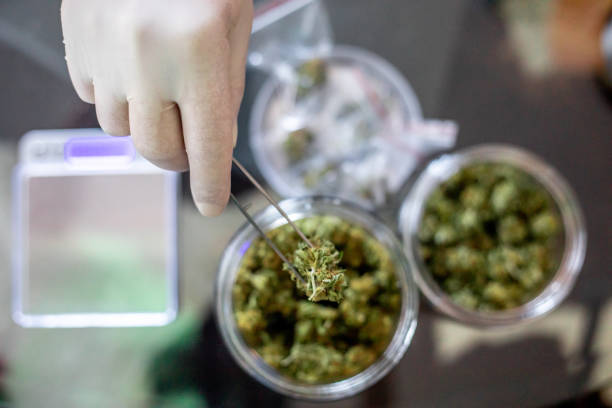
Medical Cannabis Research Man With Protective Glove Holding Cannabis Bud With Tweezers. marijuana dispensary stock pictures, royalty-free photos & images

Supporting Education and Awareness

Dispensaries are also vital in educating both new and experienced users about responsible cannabis consumption. They demystify various forms of cannabis use through one-on-one consultations or educational events such as workshops or seminars.

Key areas where dispensaries promote awareness include:
1. Correct usage techniques (e.g., knowing dosage limits for edibles).
2. Health benefits associated with cannabinoids like CBD and THC for different conditions. 3. Safe storage practices to maintain product freshness and avoid accidental ingestion by minors or pets.

By fostering an informed consumer base, dispensaries contribute significantly to reducing stigma surrounding cannabis use.

Boosting Local Economies

Economic Contribution Description
Job Creation Roles include retail staff, security personnel, marketing teams, etc.
Tax Revenue Sales tax from legal transactions supports public programs like education or infrastructure development.
Supply Chain Opportunities Dispensaries rely on local growers, manufacturers, distributors & testing labs.

As legalization expands globally or regionally within countries like the U.S., these economic contributions become even more impactful.

Driving Innovation in Cannabis Products

  • Customizable ratios of CBD-to-THC-based formulations.
  • Solventless extraction methods for concentrates that maintain purity.
  • A focus on sustainability through eco-friendly packaging or cultivation practices.

Additionally, technology integration into dispensary operations—such as online ordering platforms or loyalty apps—has made accessing products more seamless than ever before.

The expanding role of dispensaries underscores their importance as essential pillars within this evolving industry—not merely places selling cannabis but institutions shaping its future responsibly while prioritizing safety & quality assurance metrics throughout supply chains

Exploring What Sets a Recreational Dispensary in Dumbo, Brooklyn Apart

Professional cannabis dispensaries are more than just retail outlets that sell cannabis products. They function as safe, educational, and customer-oriented spaces that prioritize compliance, product quality, and customer satisfaction. Knowing the key features of a professional dispensary can help customers make informed choices while ensuring they interact with a trustworthy establishment.

1. Strict Adherence to Legal Compliance

A hallmark of a reputable dispensary is its unwavering commitment to legal requirements. Professional dispensaries comply with all local, state, and federal laws governing cannabis sales. Key indicators of compliance include:
– Proper licensing visibly displayed within the store premises.
– Age verification protocols to restrict access to individuals under age limits.
– Accurate labeling of products with THC/CBD content, expiration dates, and testing information.

2. Knowledgeable and Friendly Staff

The staff at a professional dispensary play an essential role in the customer experience by offering guidance tailored to individual needs. Features of well-trained staff include:
– Understanding the differences between strains (Indica, Sativa, Hybrid) and their effects on consumers.
– Providing insights into various consumption methods (edibles, tinctures, vaping).
– Offering recommendations based on customer preferences or medical conditions without overselling products.

3. High-Quality Product Selection

Professional dispensaries emphasize offering safe and high-quality cannabis products sourced from trusted suppliers or cultivators who adhere to industry standards. Important aspects to look for include:
– Laboratory-tested products free from harmful pesticides or contaminants such as mold or heavy metals.
– A diverse selection of flowers, edibles, concentrates, topicals, and more to cater to varied needs.

Product Type Examples Target Use Case
Flowers Pre-rolls, loose buds Smoking/vaping
Edibles Gummies, chocolates Long-lasting effects
Concentrates Wax, shatter Potent THC/CBD delivery
Topicals Creams/salves Localized pain relief

4. Cleanliness and Transparency in Operations

A professional dispensary maintains high standards for cleanliness and organization within its facilities while being transparent about operations: – Neat displays where products are presented clearly without clutter. – Hygienic packaging practices for handling sensitive items such as concentrates or edibles.

Transparency can be seen through openly sharing sourcing information /making batch results shown

The Future of Cannabis Dispensaries: Trends and Innovations to Watch

The cannabis industry continues to evolve rapidly, and dispensaries are at the forefront of this transformation. As legalization expands globally and consumer preferences shift, dispensaries are innovating to stay competitive and meet the demands of modern customers. Below, we explore some key trends and innovations shaping the future of cannabis dispensaries.

1. Embracing Technology for Seamless Operations

Dispensaries are increasingly integrating advanced technologies into their operations to enhance efficiency and improve customer experiences.

  • Online Ordering & Delivery Services: Many dispensaries now offer online platforms that allow customers to browse products, place orders, and arrange for pickup or delivery.
  • Digital Payment Solutions: With banking restrictions easing in some regions, cashless payment systems such as mobile wallets and cryptocurrency solutions are becoming more common.
  • AI-Powered Assistance: Artificial intelligence is being utilized in virtual assistants or chatbots to provide personalized product recommendations based on customer preferences.
Technology Benefits
Online Ordering Convenience and accessibility
Digital Payments Faster transactions; reduced reliance on cash
AI Recommendations Tailored shopping experiences

2. Sustainability in Cannabis Retail

Environmental consciousness is becoming a central pillar for forward-thinking dispensaries. Businesses are adopting sustainable practices that resonate with eco-conscious consumers while reducing their environmental footprint.

  • Eco-Friendly Packaging: Recyclable, biodegradable, or reusable packaging materials are replacing single-use plastics.
  • Energy-Efficient Facilities: Many dispensary owners are investing in energy-efficient lighting systems and HVAC units to reduce energy consumption.
  • Partnerships with Green Suppliers: Collaborating with growers who use sustainable cultivation methods enhances a dispensary’s green credentials.

3. Personalization Through Data Analytics

As the cannabis market becomes more competitive, personalization has emerged as a critical strategy for attracting repeat customers. Dispensaries are leveraging data analytics tools to better understand consumer behavior.

  • Customized product suggestions based on purchase history
  • Exclusive deals tailored to individual preferences
  • Targeted marketing campaigns that align with customers’ specific needs

4. Wellness-Focused Offerings

With a growing number of consumers exploring cannabis for health benefits rather than recreation alone, dispensaries are shifting toward wellness-focused products and services.

  • CBD-Dominant Products: Items like tinctures, topicals, and edibles aimed at relaxation or pain relief.
  • Education Services: Workshops or consultations educating consumers about the therapeutic effects of different cannabinoids.

This focus on wellness creates an inclusive space where both seasoned users and newcomers feel comfortable exploring products.

5. Integration of Cannabis Lounges & Experiences

To differentiate themselves from competitors, some dispensaries are incorporating experiential elements into their offerings by introducing cannabis lounges or event spaces.

Examples include: – On-site consumption lounges where customers can try products responsibly. – Educational events such as cooking classes featuring cannabis-infused recipes. – Wellness retreats centered around mindfulness practices paired with curated cannabis use.

These experiences foster community while encouraging customer loyalty by transforming purchasing into an immersive experience.

6. Expansion Into Global Markets

The global legalization movement presents significant opportunities for dispensary businesses aiming to expand internationally. Countries like Germany, Thailand, Mexico, and Canada have seen increasing demand for regulated cannabis products over recent years—paving the way for cross-border ventures.

Dispensary operators looking at international markets should consider: 1. Adhering to local regulations related to licensing. 2. Partnering with local stakeholders who understand regional nuances. 3. Focusing on culturally relevant branding strategies that resonate with diverse audiences.

As the cannabis sector matures further over the coming years, innovation will remain critical for dispensaries aiming to thrive in this dynamic industry landscape. By prioritizing technical advances, sustainability initiatives, consumer-centric services, and wellness-driven solutions, they can position themselves strongly within a growing global marketplace rich with opportunity.


Two Customers in a Dispensary Look Over the Edge of Display Case at Jars of Cannabis High angle shot of two men looking intoi a glass display case at a cannabis dispensary. marijuana dispensary stock pictures, royalty-free photos & images

The cannabis industry offers a diverse range of products, catering to various consumer preferences and needs. From traditional methods to modern innovations, understanding the modes of consumption can help users make informed decisions about product selection and usage.

Traditional Modes of Consumption

  1. Typically involves the use of joints, pipes, or bongs.
  2. Offers fast-acting effects as cannabinoids enter the bloodstream quickly via inhalation.
  3. Consumed in the form of foods like gummies, chocolates, baked goods, or beverages.
  4. Effects take longer to set in (30 minutes to 2 hours) but last longer than smoking or vaping.
  5. Cannabis-infused creams, balms, or lotions applied directly to the skin for localized relief from pain or inflammation.
  6. Non-psychoactive when used this way as they do not enter the bloodstream.
  7. Concentrated extracts taken sublingually (under the tongue) for faster absorption into the bloodstream.
  8. Popular among medical users for their precise dosing capabilities.

Modern Innovations in Cannabis Consumption

  1. Vaporizers heat cannabis flowers or concentrates below combustion levels to release cannabinoids in vapor form without producing smoke.
  2. Considered cleaner than smoking due to the absence of harmful byproducts from combustion.
  3. A discreet option for controlled doses over extended periods.
  4. Delivers cannabinoids through the skin directly into the bloodstream.
  5. Pre-dosed products often used by medical patients for convenience and consistency.
  6. Similar in effect to edibles but without additional calories or flavors.
  7. Infused drinks like teas, beers (non-alcoholic), sodas, and sparkling waters are becoming increasingly popular.
  8. Offer a social alternative similar to alcohol consumption without intoxication-related drawbacks.
    • A cutting-edge method that uses aerosolized cannabis sprays for direct delivery into lungs.
    • Provides precision dosing while avoiding combustion altogether.

Comparing Methods of Consumption

Method Onset Time Duration Psychoactive Effects Ideal For Notes
Smoking Immediate 1-3 hours Moderate/Strong Recreational users May produce strong odor
Edibles 30 min–2 hours 4–8 hours Moderate Long-lasting relief Potential risk of overconsumption
Topicals Almost instant Varies None Localized pain/inflammation relief Non-intoxicating
Tinctures/Oils 15–45 minutes 3–6 hours Mild/Moderate Medical applications Easy dosage customization
Vaporizers Immediate 1–3 hours Moderate/Strong Clean inhalation Requires specialized devices

Choosing the Right Mode

  • Those seeking rapid symptom relief may benefit from smoking or vaping.
  • Edibles are ideal for prolonged effects over several hours.
  • Topical products cater well to consumers who prefer non-intoxicating options for targeted applications like joint pain or skin conditions.
  • Innovative solutions like beverages and transdermal patches provide discreet alternatives for both medical and recreational users.

Ultimately, understanding these diverse consumption methods empowers consumers with greater control over their cannabis experience while aligning with personal preferences and health goals.

Exploring the Benefits of Cannabis from a Weed Dispensary in Dumbo

Cannabis has been utilized for centuries across various cultures and societies for its diverse benefits. In modern times, it continues to serve multiple purposes, ranging from medical applications to recreational enjoyment and spiritual experiences. This article delves into these three core areas to offer a clear understanding of how cannabis impacts human lives.

Medical Benefits of Cannabis

Cannabis is increasingly recognized for its therapeutic potential. It contains cannabinoids such as THC (tetrahydrocannabinol) and CBD (cannabidiol), which interact with the body’s endocannabinoid system to deliver various health benefits.

  • Pain Relief: Cannabis is widely known for managing chronic pain, particularly in conditions like arthritis, fibromyalgia, and multiple sclerosis.
  • Anti-inflammatory Properties: CBD has been studied extensively for its ability to reduce inflammation without psychoactive effects.
  • Mental Health Support: Cannabinoids may help alleviate symptoms of anxiety, depression, and PTSD when used under professional supervision.
  • Seizure Control: Epidiolex, an FDA-approved CBD-based drug, is used to manage rare forms of epilepsy such as Dravet syndrome.
  • Cancer Symptom Management: Cannabis can reduce nausea caused by chemotherapy and help stimulate appetite in patients dealing with severe weight loss.
Condition Potential Benefit Common Cannabinoid Used
Chronic Pain Pain relief THC
Anxiety or PTSD Anxiety reduction CBD
Seizure Disorders Seizure frequency reduction CBD
Inflammatory Conditions Inflammation control CBD
Cancer or Chemotherapy Nausea management and appetite stimulation THC

Recreational Benefits of Cannabis

For many users, cannabis serves as a recreational substance that promotes relaxation and social connection. Its psychoactive effects vary depending on the strain and dosage.

  • Stress Relief: Many individuals use cannabis as a way to unwind after a long day.
  • Enhanced Creativity: Certain strains are reported to boost focus and creativity.
  • Social Bonding: Consuming cannabis in social settings can encourage meaningful conversations and camaraderie.
  • Mood Enhancement: Low doses of THC can elevate mood while reducing feelings of tension or restlessness.

It’s important that recreational users exercise caution with dosage levels since overconsumption may lead to unwanted side effects like paranoia or lethargy.

Spiritual Benefits of Cannabis

Historically, cannabis has played a significant role in spiritual practices across different cultures. Its ability to alter consciousness makes it valuable in rituals aimed at self-exploration or connecting with higher states of awareness.

  • Ancient Traditions: Cultures such as Hinduism have incorporated cannabis into religious ceremonies like Holi for centuries.
  • Meditation Aid: Certain strains are favored by practitioners seeking deeper meditation states due to their calming properties.
  • Mindfulness Enhancement: By focusing attention inwardly through altered perceptions, some individuals report heightened mindfulness during spiritual practices.

While its spiritual applications remain deeply personal and culturally specific, many continue using cannabis today as part of their journey toward inner peace or enlightenment.

By understanding the medical advantages, recreational enjoyment, and spiritual significance associated with cannabis use, individuals can make informed decisions based on their needs and circumstances.

Discover the Best Strains and Products at a Marijuana Dispensary in Dumbo

Cannabis is a remarkably versatile plant, offering a wide range of varieties and products tailored to different preferences, needs, and experiences. By understanding its strains and psychoactive ingredients, consumers can make informed decisions about their consumption.

Cannabis Varieties: Indica, Sativa, and Hybrid

  • Indica:
    These strains typically have broad leaves and shorter flowering cycles.
  • Sativa:
    Sativa strains are associated with uplifting effects that enhance energy levels and creativity. They are commonly consumed during the day and are preferred by individuals looking for mood elevation or focus. Sativa plants tend to grow taller with narrower leaves.
  • Hybrid:
    A blend of indica and sativa genetics, hybrid strains are bred to create specific effects tailored to consumer needs. Hybrids can lean more toward either indica or sativa dominance or provide a balanced experience.

Key Cannabinoids Found in Cannabis

  • THC (Tetrahydrocannabinol):
    This psychoactive compound is responsible for the “high” associated with cannabis consumption. THC may help with pain relief, appetite stimulation, nausea reduction, and relaxation.
  • CBD (Cannabidiol):
    Unlike THC, CBD does not produce any intoxicating effects but offers therapeutic benefits such as reducing anxiety, improving sleep quality, managing chronic pain, and addressing inflammation. CBD-dominant products are widely sought after for wellness purposes.

Other notable cannabinoids include CBN (cannabinol), which has sedative properties; CBG (cannabigerol), thought to support gut health; and THCV (tetrahydrocannabivarin), which may aid in appetite suppression.

Terpenes: The Aromatic Compounds

They also influence how certain strains affect the body due to their interaction with cannabinoids.

Terpene Aroma/Flavor Profile Potential Benefits
Myrcene Earthy, musky Sedative; may promote relaxation
Limonene Citrus Uplifting; associated with reduced stress
Pinene Pine-like May enhance focus; possible anti-inflammatory
Linalool Floral Calming; potential stress-relief benefits

Popular Strains by Effect

  • For Relaxation: Granddaddy Purple (Indica-dominant), Northern Lights
  • For Energy & Creativity: Sour Diesel (Sativa-dominant), Jack Herer
  • For Balanced Effects: Blue Dream (Hybrid), Girl Scout Cookies

By exploring these varieties along with their chemical profiles, consumers can tailor their cannabis experience to achieve desired outcomes while appreciating the plant’s complexity.

video thumbnail

Exploring the Role of Dispensary Dumbo in the Cannabis Industry’s Growth and Legal Landscape

The cannabis industry has experienced a transformative journey in recent years, with significant developments in its legal status and economic impact. This shift has sparked conversations across various sectors and regions, leading to widespread interest in understanding how cannabis laws and economic dynamics are shaping industries globally.

Exploring the Legal Status of Cannabis at a Recreational Dispensary in Dumbo, Brooklyn

The legality of cannabis varies widely across countries and even within states or provinces of certain nations.

Categories of Cannabis Legalization

  • Medical Use:
    Many countries have legalized cannabis for medical purposes, allowing patients with specific conditions to access prescribed products. Examples include Canada, Germany, and parts of the United States.
  • Recreational Use:
    Some jurisdictions permit adult-use recreational cannabis under regulated frameworks. Countries like Canada, Uruguay, and certain U. S. states (e. g. , California, Colorado) have adopted this model.
  • Prohibition:
    In many regions worldwide, cannabis remains illegal for both medical and recreational purposes due to cultural or regulatory restrictions.

Key Factors Influencing Legal Frameworks

  1. Public Health Concerns: Governments weigh potential health benefits against risks such as misuse or dependency when drafting legislation.
  2. Economic Opportunities: Revenue from taxes on recreational sales can significantly boost local economies.
  3. Social Equity Considerations: Policymakers focus on addressing historical injustices related to cannabis prohibition by creating equitable licensing systems.

Direct Contributions to the Economy

  • Job Creation:The industry supports a wide range of jobs like cultivation, retail workers in dispensaries, researchers, marketing specialists, legal consultants, etc.
  • Tax Revenue:State governments where recreational use is legalized often report significant tax revenues reinvested into public services like education and healthcare.
Country/Region Tax Revenue (2022) Primary Allocation Areas
United States $3 billion+ Education & infrastructure
Canada CAD $1 billion+ Healthcare & research funding

Navigating the Legal Status and Economic Impact of Cannabis Across Industries

The legal landscape surrounding cannabis has evolved significantly in recent years, shaping industries and economies on a local, national, and global scale. While legalization continues to expand, the patchwork of laws and regulations presents challenges and opportunities for businesses, governments, and consumers.

The Legal Status of Cannabis

Cannabis legislation varies widely depending on the jurisdiction.

Region Medical Use Recreational Use Key Notes
United States Legal in 38 states Legal in 23 states Federal-level cannabis remains classified as a Schedule I substance, creating regulatory hurdles.
Canada Fully legal Fully legal Canada became the first major economy to federally legalize cannabis in 2018.
Europe Mixed Mostly illegal Some countries permit medical use; recreational legalization is limited but expanding (e.g., Malta).
South America Varies Limited Uruguay was the first country to fully legalize recreational cannabis (2013).
Asia Mostly illegal Mostly illegal Some nations like Thailand are beginning to relax restrictions for medical use.

Despite increasing legalization in many areas, disparities between federal and regional laws (especially within the U. S. ) create conflicts that affect businesses operating across state or international borders.

The Economic Impact of Cannabis

Legalizing cannabis has had profound economic effects on industries ranging from healthcare to agriculture.

  1. Tax Revenue
    Governments are capitalizing on legalized cannabis through taxation:
  2. States like Colorado have generated over $15 billion in total sales since legalization (as of mid-2023), with significant portions redirected toward public health initiatives, education systems, and infrastructure.
  3. At the federal level in countries like Canada, tax revenue from legalized cannabis contributes directly to national budgets.
  4. Job Creation
    The cannabis sector has emerged as one of the fastest-growing job markets:
  5. Roles range from cultivation specialists and lab technicians to dispensary staff and compliance officers.
  6. As of 2023, over 400,000 full-time equivalent jobs exist within the regulated U. S. market alone.
  7. Innovation & Ancillary Industries
    Legalization drives innovation not just for growers but also for ancillary services:
  8. Technology companies developing seed-to-sale tracking software.
  9. Packaging firms creating sustainable solutions tailored for dispensaries.
  10. Wellness brands incorporating CBD into cosmetics or nutraceuticals.
  11. Tourism Boost
    Cannabis tourism is thriving where recreational use is legalized:

    • Amsterdam has long been a pioneer with its coffee shops.
    • Domestic travel within U. S. states like California or Nevada sees tourists visiting dispensaries or consumption lounges as part of their itinerary.

Challenges Facing Cannabis-Related Industries

Although legalization brings economic benefits, it comes with challenges: – Banking Restrictions:Businesses face difficulties accessing traditional banking services due to federal-level prohibitions in countries like the U. S.Overregulation:Excessive or inconsistent regulations can stifle small businesses while allowing larger corporations to dominate.Social Equity Concerns:Many advocates argue that those disproportionately impacted by past prohibition laws are underrepresented in emerging markets.

Governments must balance fostering growth while ensuring fair practices within this rapidly evolving industry. Effective policy-making will determine how well markets adapt to increased legalization globally.


Sale of cannabis and other herbs in jars as a souvenir in the store 07 December 2017, Prague, Czech Republic: Sale of cannabis and other herbs in jars as a souvenir in the store marijuana dispensary stock pictures, royalty-free photos & images

Cannabis dispensaries operate in a highly regulated industry where safety and quality assurance are paramount to building trust with customers. From the cultivation process to the final sale, dispensaries implement rigorous measures to ensure the products they provide meet both regulatory requirements and customer expectations. Below, we’ll explore how dispensaries prioritize safety and uphold high standards of quality for their customers.

Strict Adherence to Regulatory Guidelines

  • Product Labeling: Clear labeling that includes potency information (e.g., THC/CBD levels), ingredients, and usage instructions.
  • Childproof Packaging: Ensuring all cannabis products are stored in tamper-proof and child-resistant packaging.
  • Age Verification: Strict ID checks to verify that customers meet minimum age requirements before they can purchase cannabis products.

By adhering to these policies, dispensaries aim to provide a safe purchasing environment while minimizing risks associated with improper use or access by underage individuals.

Implementing Rigorous Product Testing

One of the most critical steps in ensuring safety is testing cannabis products for contaminants such as pesticides, heavy metals, mold, or residual solvents. Dispensaries partner with licensed third-party laboratories that conduct these tests before products reach the shelves.

Test Type Purpose
Potency Testing Verifies levels of THC, CBD, and other cannabinoids.
Pesticide Screening Ensures no harmful agricultural chemicals remain.
Microbial Testing Checks for bacteria like E. coli or mold spores.
Solvent Residue Testing Confirms safe levels of solvents used during extraction.

This careful attention to product quality ensures that customers receive safe and reliable cannabis each time they make a purchase.

Transparent Sourcing Practices

Dispensaries often work closely with trusted cultivators or manufacturers who adhere to ethical growing practices. By sourcing from reputable suppliers with proven track records in sustainable farming or production methods, dispensaries maintain consistency in product quality while supporting environmentally responsible operations.

  • Partnering with organic-certified growers.
  • Choosing suppliers who use sustainable water management techniques.
  • Favoring operations that avoid synthetic fertilizers or harmful chemicals during cultivation.

Transparency in sourcing not only enhances customer trust but also bolsters the overall integrity of the industry.

Commitment to Staff Training

  • State laws regarding cannabis sales.
  • Dosage recommendations based on individual needs.
  • Safe storage instructions for purchased items.
  • Recognizing signs of overuse among customers.

Educated staff are better equipped to guide consumers toward responsible consumption habits while reducing potential misuse risks.

Promoting a Safe Retail Environment

  1. Security Systems: Utilizing surveillance cameras throughout facilities and ensuring secure storage areas for inventory.
  2. Hygiene Protocols: Regular cleaning schedules for counters, displays, storage rooms; use of protective gloves when handling unpackaged goods.
  3. Crowd Management: Limiting store capacity during peak hours or offering online ordering options for curbside pickup reduces overcrowding concerns.

By integrating these measures into their daily operations, dispensaries work diligently toward protecting customer safety while enhancing their shopping experience.

Prioritizing safety and quality assurance remains integral to both consumer satisfaction and long-term success within the cannabis industry. Through robust regulatory compliance efforts paired with ongoing education initiatives tailored toward staff awareness programs—or partnerships w/ ethical growers cultivates better outcomes across-board .

Navigating State and Local Regulations for a Weed Dispensary in Dumbo

Compliance with state and local regulations is a cornerstone of operating a legal cannabis dispensary. These rules are designed to ensure public safety, maintain product quality, and uphold ethical business practices. For dispensary operators, staying compliant requires meticulous attention to detail, robust internal protocols, and an ongoing commitment to adhering to evolving legislation.

Key Areas of Compliance for Cannabis Dispensaries

  • Dispensaries are required to obtain proper licenses from state and/or local authorities before starting operations.
  • Operators must renew their licenses regularly while ensuring all prerequisites are met.
  • Sales can only be made to customers who meet the legal age requirement (typically 21+ or 18+ for medical cannabis).
  • Valid government-issued identification must be checked at every transaction.
  • Packaging must include clear labels that indicate THC/CBD content, dosage information, usage instructions, and any potential health risks.
  • Labels should comply with rules on child-resistant packaging.
  • Accurate tracking of inventory from the time it enters the facility until it is sold or disposed of.
  • Systems such as seed-to-sale tracking (e.g., METRC) are often mandated to prevent diversion into illegal markets.

Regulatory Testing Requirements

  1. Potency: Ensuring THC/CBD levels match the claims made on product labels.
  2. Pesticides: Verifying that cannabis products comply with allowable pesticide residue limits.
  3. Microbial Contaminants: Screening for molds, bacteria, or other harmful microorganisms.
  4. Residual Solvents: Testing concentrates and oils for residual solvents used during extraction processes.

Failure to meet these testing standards can lead to fines, product recalls, or license suspension.

Table: Examples of Regulatory Oversight by Jurisdiction

U.S. State Licensing Authority Unique Regulation
California Department of Cannabis Control Requires mandatory track-and-trace via METRC system
Colorado Marijuana Enforcement Division Limits on daily purchase quantities per customer
Massachusetts Cannabis Control Commission Requires independent lab testing prior to sale

Strategies for Staying Compliant

  1. Employ compliance officers or work with consultants who specialize in cannabis regulations.
  2. Train employees on age verification practices, proper recordkeeping techniques, and regulatory updates.
  3. Develop detailed SOPs outlining steps for managing inventory, handling inspections, and responding to any compliance issues.
  4. Leverage software platforms designed specifically for cannabis businesses to track sales data, monitor inventory levels, and automate reporting requirements.
  5. Regularly review updates from state regulatory bodies or join industry organizations focused on advocacy and education.

The Role of Inspections in Maintaining Compliance

  • Recordkeeping accuracy
  • Physical security measures (e.g., surveillance systems)
  • Proper signage indicating restricted access
  • Adherence to storage protocols for both cannabis products and customer data

By fostering a culture focused on compliance from day one, dispensaries can not only avoid costly penalties but also build trust among customers who value transparency and accountability in their chosen providers.

Rigorous Testing Protocols at a Marijuana Dispensary in Dumbo

Cannabis dispensaries operate in a highly regulated industry where safety, quality, and efficacy are paramount. Rigorous testing protocols are essential not only for ensuring compliance with legal requirements but also to protect the health and trust of customers. Below, we explore the significance of these testing measures and how they shape the operations of modern dispensaries.

Why Rigorous Testing is Essential

  • Consumer Safety: Ensuring that products are free from contaminants such as mold, pesticides, heavy metals, and residual solvents safeguards customer health.
  • Quality Control: Testing verifies potency levels (e.g., THC and CBD content) to meet labeling accuracy standards. This helps customers make informed decisions based on their desired effects or medical needs.
  • Regulatory Compliance: Most states mandate specific testing protocols for cannabis products before they can be sold legally. Non-compliance can result in significant penalties or loss of licensure.

Elements Tested in Cannabis Products

Testing Parameter Purpose
Cannabinoid Profile Measures THC, CBD, CBG levels for accurate product labeling
Terpene Content Identifies aromatic compounds contributing to flavor and therapeutic effects
Microbial Contaminants Detects harmful bacteria like E.coli or salmonella
Pesticides Screens for potentially toxic chemicals used in cultivation
Heavy Metals Ensures absence of contaminants like lead, arsenic, mercury
Residual Solvents Verifies safe processing by checking for leftover solvents like ethanol

cannabis flowers in full bloom marijuana growing inside of a grow room marijuana dispensary stock pictures, royalty-free photos & images

Benefits of Routine Testing Protocols

  1. Building Consumer Trust: Customers are more likely to purchase from a dispensary with transparent quality control processes.
  2. Reducing Liability Risks: High-quality testing reduces the chances of selling defective or harmful products that could lead to legal issues.
  3. Enhancing Product Consistency: Regular laboratory analysis ensures consistent potency and quality across product batches.
  4. Supporting Medical Use Cases: Patients using cannabis for therapeutic purposes rely on accurate data about cannabinoids and terpenes.

Challenges Associated with Cannabis Testing

  • Cost Implications: Comprehensive testing can be expensive for small or independent dispensaries.
  • Variability Among Labs: Inconsistent results from different laboratories may create operational difficulties.
  • Evolving Regulations: With constantly changing state laws regarding acceptable limits and mandates, staying compliant requires ongoing vigilance.

Steps Dispensaries Can Take to Optimize Testing Protocols

  • Partner exclusively with accredited third-party labs that have a reputation for reliability and accuracy.
  • Invest in education programs for staff regarding the science behind cannabis testing and its significance.
  • Regularly review state-specific regulations to ensure compliance with new or updated requirements.
  • Maintain detailed records documenting test results as proof of due diligence during inspections.

By prioritizing stringent testing protocols as part of their operational framework, dispensaries not only meet regulatory requirements but also foster greater confidence among their customer base while contributing positively to the cannabis industry’s overall reputation.

How Seed-to-Sale Tracking Systems Improve Transparency in Recreational Dispensary Dumbo, Brooklyn

Seed-to-sale tracking systems have revolutionized the cannabis industry by creating a transparent and accountable framework for managing inventory, ensuring compliance, and building trust with consumers. These systems are pivotal to the successful operation of dispensaries, as they provide a comprehensive method of monitoring cannabis products throughout their lifecycle—from cultivation to sale.

What is Seed-to-Sale Tracking?

Seed-to-sale tracking refers to the process of documenting and monitoring every stage of cannabis production and distribution. This includes:
Cultivation: Tracking plants from seed germination through growth, harvest, and curing.
Processing: Monitoring the transformation of raw cannabis into finished goods such as oils, edibles, or concentrates.
Distribution: Documenting movements between cultivators, processors, distributors, and dispensaries.
Retail Sales: Recording sales transactions while ensuring inventory consistency.

By capturing detailed data at each stage along the supply chain, seed-to-sale systems provide dispensaries with unparalleled visibility into their operations.

Benefits of Seed-to-Sale Tracking for Dispensaries

  1. Many states require strict adherence to cannabis regulations. Seed-to-sale software ensures that all products meet legal requirements such as proper labeling, allowable THC limits, and packaging standards.
  2. These systems automatically generate reports for state authorities when necessary, reducing the administrative burden on dispensary staff.
  3. Transparency fosters trust among customers who want to understand where their products come from and how they were made.
  4. Dispensaries can provide batch-specific information about potency levels or pesticide testing for added assurance.
  5. Real-time tracking prevents issues like overstocking or running out of popular products.
  6. It also minimizes discrepancies in inventory by providing precise counts at all times.
  7. By meticulously documenting every transfer or sale, seed-to-sale systems discourage theft or product diversion into black markets.
  8. Each transaction is tied back to a specific individual or entity within the system.

Features of Advanced Seed-to-Sale Platforms

Feature Functionality
Barcode/QR Code Scanning Enables easy identification and tracking at every stage of production/sales
POS Integration Links retail sales directly to inventory counts
Compliance Alerts Flags non-compliant actions before they become an issue
Data Analytics Provides insights into customer preferences and operational trends

These features not only streamline daily workflows but also empower dispensary owners with actionable insights for better decision-making.

How Transparency Benefits Customers

For consumers purchasing cannabis products at dispensaries using seed-to-sale tracking:
– They gain access to essential product information such as strain type, cannabinoid content (e.g., THC/CBD ratios), batch numbers, and lab testing results. – They feel reassured knowing that the product has been handled safely throughout its journey from cultivation to retail shelves. – They can make more informed decisions about which products align with their needs or preferences.

Final Thoughts on Implementing Seed-to-Sale Systems

Implementing a reliable seed-to-sale system is no longer optional for modern cannabis dispensaries; it is an essential investment in operational integrity and consumer satisfaction. By prioritizing transparency through these innovative technologies, dispensaries not only comply with regulations but also set themselves apart as trustworthy establishments in an increasingly competitive market.

Discover Premium Cannabis Products at Dispensary Dumbo with Trusted Suppliers

Collaborating with reliable suppliers is a cornerstone of delivering high-quality cannabis products in dispensaries. Establishing partnerships with reputable growers and manufacturers ensures that dispensaries can consistently meet customer expectations while maintaining compliance with industry standards. Here’s a closer look at how these partnerships work and why they are vital for success.

Characteristics of Reputable Suppliers

  • Adherence to Regulatory Standards: Suppliers should operate in full compliance with all state and local laws governing cannabis cultivation, processing, and distribution.
  • Quality Assurance Processes: Reputable suppliers implement rigorous testing procedures to ensure their products are free from contaminants such as pesticides, heavy metals, and molds.
  • Transparency: They should provide detailed Certificates of Analysis (COAs) from accredited laboratories for every batch of cannabis or cannabis-derived product.
  • Sustainable Practices: Ethical cultivation practices, including organic growing methods and environmentally friendly processes, are vital indicators of a supplier’s commitment to quality.

Key Benefits of Partnering with Reliable Suppliers

  1. High-quality inputs lead to premium outputs.
  2. Ensures customers receive the same trusted experience with every purchase.
  3. Helps dispensaries stay within legal guidelines by ensuring all supplied products meet mandatory safety standards.
  4. Premium partnerships reinforce customer trust and loyalty by associating the dispensary with superior product offerings.
  5. Reliable suppliers help minimize disruptions by ensuring consistent inventory levels.

Evaluating Suppliers: A Checklist for Dispensaries

Criteria Questions to Consider
Licensing Is the supplier properly licensed under state regulations?
Laboratory Testing Do they provide third-party lab test results? Are their COAs comprehensive and current?
Cultivation/Manufacturing What methods do they use for growing or producing cannabis? Are they environmentally sustainable?
Traceability Can the supplier trace the product’s journey from seed-to-sale?
Customer Feedback What do other dispensaries say about working with this supplier?

Developing Long-Term Relationships

  • Maintain open communication channels to address any potential issues quickly.
  • Collaborate on new product development or exclusivity agreements that benefit both parties.
  • Periodically review supplier performance against quality benchmarks to ensure standards remain high over time.

The Role of Technology in Supplier Partnerships

  • Track batch numbers for each product received.
  • Monitor stock levels in real-time to prevent shortages.
  • Provide data-driven insights into purchasing patterns, enabling better forecasting.

Ultimately, partnering with reputable suppliers is about ensuring that customers have access to safe, consistent, and high-quality cannabis products while fostering mutual growth within an ever-evolving industry landscape.

Educating Staff and Customers to Foster Knowledgeable and Responsible Cannabis Use

Dispensaries play a critical role in not only providing cannabis products but also ensuring that staff and customers have a well-rounded understanding of cannabis use. Education is key to fostering responsible consumption, empowering individuals with the knowledge they need to make informed decisions while reducing the risks associated with misuse. Below is an outline of how dispensaries can prioritize education for both employees and their clientele.

Training Programs for Staff

Employees in dispensaries are often the first point of contact for customers seeking guidance on cannabis products. It is essential that they are equipped with accurate, up-to-date information on topics such as product types, dosing, safety, and regulations. Comprehensive training programs can ensure that staff members are knowledgeable and prepared to assist customers effectively.

Key components of staff training include:
Cannabis Basics: Educating employees on cannabinoids (THC, CBD), terpenes, and how they interact with the body.
Understanding Products: Familiarity with various consumption forms such as flower, edibles, tinctures, concentrates, and topicals.
Safe Consumption Practices: Training on proper dosing recommendations based on individual tolerance levels or conditions.
Legal Compliance: Ensuring staff understand state laws regarding age restrictions, purchase limits, and safe packaging requirements for products sold in-store.
Customer Service Skills: Providing guidance on creating a welcoming environment while maintaining professionalism.

By investing in ongoing education programs for employees (including certifications where applicable), dispensaries build trust with their customers while enhancing the overall shopping experience.

cannabis farms. Cannabis growers and researchers discuss cannabis farms. marijuana dispensary stock pictures, royalty-free photos & images

Educating Customers at Every Step

Customers often have varying levels of familiarity with cannabis use; some may be experienced users while others may be entirely new to it. Dispensaries have an opportunity to educate consumers by sharing accurate information tailored to different levels of understanding.

  1. Clear signage explaining different product categories.
  2. Printed brochures or guides outlining dosing recommendations or methods of consumption.
  3. Encouraging open conversations where customers feel comfortable asking questions.
  4. Personalized advice based on customer needs or preferences.
  5. Hosting educational events covering topics like responsible use, medical applications of cannabis, or product insights.
  6. Inviting industry experts or medical professionals to speak during sessions.
  7. Maintaining up-to-date blogs/articles answering common questions about cannabis use.
  8. Providing downloadable guides through the dispensary’s website or mobile app.
  9. Clear Labeling Practices:
    Dispensaries should ensure that all products display easy-to-understand labels detailing potency (e.g., THC/CBD concentrations), recommended dosage amounts, potential side effects, and any warnings regarding usage.
Educational Tools Purpose Examples
Product Labels Transparency about contents Dosing instructions; cannabinoid breakdown
Brochures Quick reference material Beginner’s guide to edibles
Workshops In-depth education “How Terpenes Affect Your Experience” seminar
Online Blogs Reach remote audiences FAQs about micro-dosing

Promoting Responsible Consumption

  • Encouraging proper storage in child-resistant containers away from pets/kids.
  • Advising against mixing cannabis with alcohol or other substances.
  • Stressing impaired driving laws related to marijuana use.
  • Recommending starting low doses (“start low & go slow”)—especially for new users trying potent products like edibles.

By emphasizing safety alongside enjoyment within their education initiatives, dispensaries reinforce their commitment toward creating a responsible community around cannabis culture.

Building Long-Term Engagement Through Education

Educated customers often develop greater confidence when navigating options at a dispensary—and this directly impacts loyalty over time by fostering trust between businesses & patrons alike.Well-informed teams help improve consumer satisfaction significantly by delivering clarity over confusion amidst growing market choices

Educating Staff and Customers to Foster Knowledgeable and Responsible Cannabis Use

A well-informed community of staff and customers is essential in the world of cannabis dispensaries. As the cannabis industry continues to expand, dispensaries play a critical role in bridging the knowledge gap for both their employees and customers, ensuring safe and responsible product use. With education at the forefront, businesses can build trust, foster loyalty, and promote responsible consumption.

Training Programs for Dispensary Staff

  • Cannabis Basics: Covering topics like cannabinoids (THC, CBD), terpenes, and their effects.
  • Product Knowledge: Familiarizing staff with various product types such as flower, edibles, concentrates, tinctures, and topicals.
  • State Compliance Regulations: Highlighting legal requirements such as age verification protocols and purchase limits.
  • Understanding Medical Use: Training on medical conditions that cannabis may support (where applicable) to better assist medical patients.
  • Customer Service Skills: Enhancing communication skills to help staff address customer questions with professionalism and empathy.

Businesses can also invest in certifications or partnerships with organizations that offer accredited cannabis education programs tailored for dispensary operations.

Informing Customers About Safe Cannabis Use

  1. Pamphlets or brochures covering dosage guidelines.
  2. Quick-reference cards explaining key terms like indica, sativa, hybrid strains, or dosing units in edible products.
  3. Posters displaying state-specific consumption rules (e.g., limits on public use).
  4. Hosting educational sessions on how to safely consume different types of cannabis products.
  5. Inviting industry experts or healthcare professionals for Q&A discussions.
  6. Publishing blogs or guides discussing responsible consumption practices.
  7. Providing step-by-step videos demonstrating proper product use.
  8. Personalized Guidance from Staff: Employees trained in customer engagement can ask thoughtful questions about a customer’s preferences or goals before recommending products.

Addressing Common Concerns

Concern Educational Approach
Proper Dosage “Start low and go slow” guidance emphasizing small doses initially
Potential Side Effects Highlighting side effects such as dry mouth or drowsiness while reassuring mitigation steps
Methods of Consumption Explaining pros/cons of methods like smoking vs edibles
Legal Restrictions Educating customers about local possession laws or travel restrictions

The Importance of Ongoing Education

Cannabis research is continuously evolving; therefore, dispensaries must stay up-to-date with emerging science and regulations. Incorporating regular refresher courses for staff ensures they remain knowledgeable about new developments in the industry.

By maintaining a focus on education for both employees and customers alike, dispensaries contribute toward establishing an informed consumer base capable of making safe decisions regarding cannabis use. This approach cultivates long-term trust while reinforcing an environment where safety meets satisfaction within the cannabis community.